Frequently Asked Questions
What does it mean when your AC coils are frozen over in the house?
Frozen AC coils in your house indicate that the air conditioning system is not working efficiently, often due to restricted airflow, low refrigerant, or a malfunctioning thermostat. This can lead to reduced cooling performance and potential damage if not addressed promptly.
Can frozen coils stop AC from working?
Frozen coils can indeed stop an AC from working effectively. When the coils freeze, airflow is restricted, preventing the unit from cooling properly and potentially leading to further damage if not addressed promptly.
What causes ice build-up on the coil?
The causes of ice build-up on the coil include low refrigerant levels, poor airflow, and dirty filters. These factors can impede the system's ability to regulate temperature, leading to condensation that freezes on the coils.
How do I stop my air conditioner from freezing up?
To stop your air conditioner from freezing up, ensure the air filter is clean, keep the outdoor unit clear of debris, maintain proper refrigerant levels, and schedule regular maintenance checks with a professional HVAC service like King Mechanical LLC.
Is it bad for an AC to freeze up?
The issue of an AC freezing up is concerning. It can lead to insufficient cooling, increased energy consumption, and potential damage to the unit, ultimately resulting in costly repairs.
How do you fix a frozen AC coil?
Fixing a frozen AC coil involves turning off the air conditioning unit, allowing the coils to thaw, checking the air filter for blockages, and ensuring proper refrigerant levels. For optimal results, it’s best to consult a professional HVAC technician.
What signs indicate frozen AC coils?
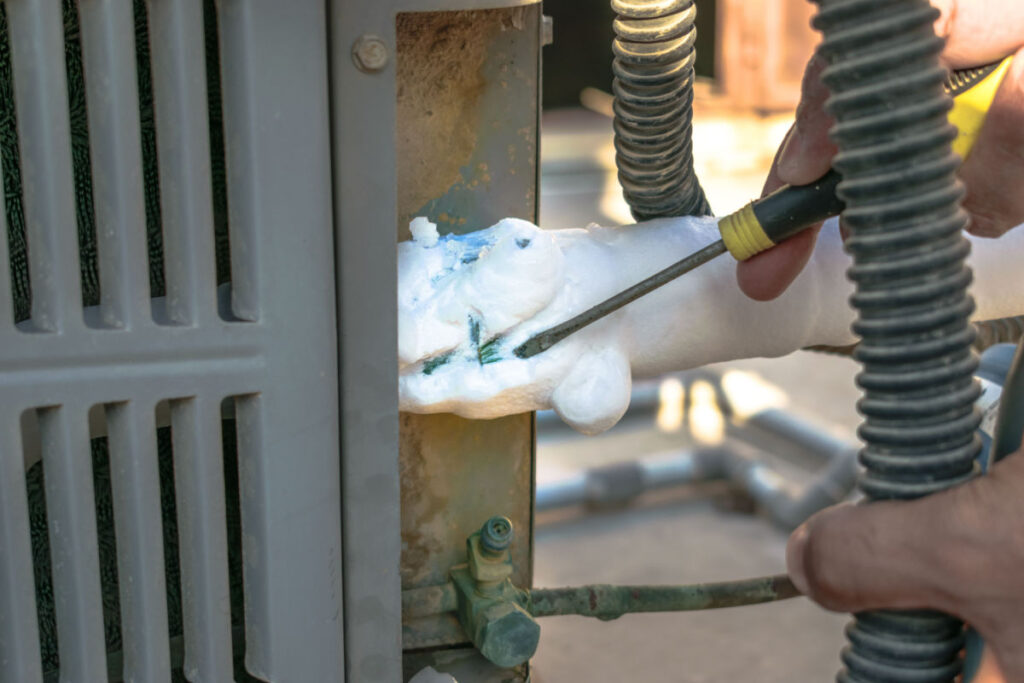
The signs indicating frozen AC coils include reduced airflow from the vents, a noticeable increase in the AC unit's energy consumption, and visible frost or ice on the coils themselves. If you observe these symptoms, it's essential to seek professional HVAC assistance.
How to identify ice buildup on AC coils?
Identifying ice buildup on AC coils involves checking for visible frost or ice on the coils themselves, as well as noticing a decrease in airflow and unusual noises from your air conditioning unit.
What should I do if my AC freezes?
If your AC freezes, first turn it off to prevent further damage. Check the air filters and ensure they are clean, and inspect the refrigerant levels. If the issue persists, contact King Mechanical LLC for professional assistance.
Why do AC coils freeze during summer?
AC coils can freeze during summer due to insufficient airflow, low refrigerant levels, or dirty filters. These issues prevent proper heat exchange, causing the coils to become excessively cold and form frost.
Can low refrigerant cause frozen AC coils?
Low refrigerant levels can indeed cause frozen AC coils. When there isn't enough refrigerant, the system cannot absorb heat effectively, leading to lower coil temperatures and ultimately causing them to freeze.
How do humidity levels affect AC freezing?
Humidity levels significantly impact AC freezing. High humidity can lead to excessive moisture on the coils, causing them to freeze. When airflow is restricted, your system struggles to operate efficiently, ultimately affecting cooling performance.
What maintenance prevents AC coil freezing?
Regular maintenance to prevent AC coil freezing includes changing the air filter regularly, ensuring adequate airflow by keeping vents unobstructed, and scheduling professional inspections for refrigerant levels and system cleanliness. These steps help maintain optimal performance and efficiency.
Can thermostat settings lead to frozen coils?
Thermostat settings can indeed lead to frozen coils. Setting the thermostat too low can cause the system to overwork, resulting in insufficient airflow and frozen evaporator coils.
How to thaw frozen AC coils quickly?
To quickly thaw frozen AC coils, turn off the air conditioner and increase the thermostat temperature. Allow natural thawing by removing any blockages around the unit and using fans to circulate warm air.
Is it safe to run a frozen AC?
Running a frozen AC can be unsafe. It may lead to further damage to the unit and reduce its efficiency, potentially causing costly repairs. It's best to turn it off and seek professional HVAC assistance from King Mechanical LLC.
What tools are needed to fix frozen coils?
The tools needed to fix frozen coils include a multimeter for electrical testing, a refrigerant gauge set to check refrigerant levels, a screwdriver set for disassembly, and a hose to flush the coils.
How often should I check my AC coils?
Checking your AC coils regularly is important for maintaining optimal efficiency. It’s advisable to inspect them at least once a month during peak usage seasons and schedule professional cleanings annually to prevent issues like freezing or reduced airflow.
What are common mistakes causing coil freezing?
Common mistakes causing coil freezing include inadequate airflow due to dirty filters, improperly sized ductwork, low refrigerant levels, and neglecting regular maintenance. Addressing these issues can help prevent freezing and ensure efficient HVAC operation.
Can a dirty evaporator cause AC freezing?
A dirty evaporator can indeed cause AC freezing. When dust and debris accumulate on the evaporator coils, airflow is restricted, leading to lower temperatures and ice formation. Regular cleaning and maintenance can help prevent this issue and ensure optimal performance.
How does airflow affect AC coil freezing?
Airflow significantly affects AC coil freezing. Insufficient airflow can cause the coils to become too cold, leading to ice buildup. Proper ventilation and regular maintenance ensure optimal airflow, preventing this issue and maintaining efficient cooling performance.
How do I protect AC coils from frost?
To protect AC coils from frost, ensure proper airflow by regularly cleaning or replacing filters, maintaining optimal refrigerant levels, and scheduling routine maintenance with a professional HVAC service like King Mechanical LLC to address any underlying issues.
What emergency measures for frozen AC coils exist?
Emergency measures for frozen AC coils include turning off the AC unit to prevent further damage, checking and replacing the air filter, and clearing any blockages in the airflow. If issues persist, contact a professional HVAC technician for assistance.
Does freezing damage AC components long-term?
Freezing can indeed cause long-term damage to AC components. When coils freeze, it can lead to issues such as compressor failure and reduced efficiency, ultimately shortening the lifespan of your HVAC system.
How to prevent ice on AC coils?
Preventing ice on AC coils involves ensuring proper airflow, maintaining adequate refrigerant levels, and scheduling regular HVAC maintenance. Additionally, replacing dirty filters and checking for duct blockages can help maintain optimal performance and prevent freezing.
Can prolonged freezing harm my AC unit?
Prolonged freezing can indeed harm your AC unit. It can lead to compressor damage, increased wear and tear, and reduced efficiency, ultimately resulting in costly repairs. Addressing ice build-up promptly is essential to maintain your system's health.
What professional services fix frozen AC coils?
Professional services that fix frozen AC coils include HVAC repair and maintenance offered by licensed technicians. These experts diagnose the issue, restore proper airflow, check refrigerant levels, and perform necessary repairs to ensure your air conditioning system operates efficiently.
How does refrigerant pressure influence freezing coils?
Refrigerant pressure significantly influences frozen coils because low pressure can cause the refrigerant to evaporate too quickly, leading to decreased temperatures in the coils and resulting in ice formation. Maintaining proper refrigerant pressure is crucial for optimal HVAC performance.
What DIY methods help with frozen coils?
DIY methods to address frozen air conditioner coils include checking and replacing the air filter, ensuring proper airflow, thawing the coils with a hairdryer, and assessing the thermostat settings. These steps can help restore functionality and efficiency.
What to avoid when working on frozen AC coils?
When working on frozen AC coils, it's essential to avoid using excessive force to remove ice, neglecting to turn off the system before inspection, and ignoring potential underlying issues like low refrigerant levels or airflow blockages.