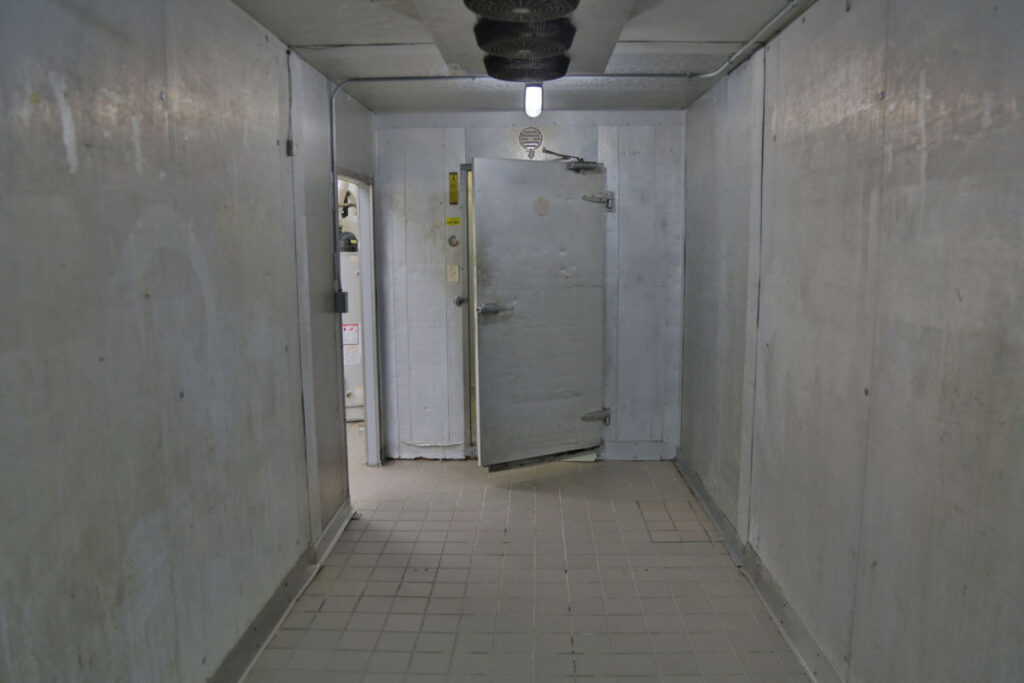
Restaurant work can feel like a constant blur of motion, with almost no time to sit down. But some things need careful care and attention, and one of them is your building’s walk-in refrigerator (or freezer).
When was the last time you thought about your walk-in cooler or freezer? Commercial refrigerators need a lot more TLC than the fridge you have in your home. Unfortunately, many restaurant owners don’t have time to make regular maintenance a priority, and this is often how refrigerators or freezers fall into disrepair. As you go about your daily routine, keep a careful eye out for these warning signs that your cooler or freezer requires professional repair.
Temperature Troubles
If you constantly have staff members coming in and out of the walk-in, some small temperature fluctuations are normal since cool air leaks out every time someone opens the door. However, if you notice persistently inconsistent temperatures, you might have a problem on your hands. Temperatures creeping up throughout the day can be an indication that you have a broken door seal, faulty unit motor, or other unwelcome problem. Frost building up on products that don’t usually freeze can indicate your system is overworking itself, there’s a thermostat control issue, or your temperatures have been set too low. Regularly check the thermometer in your fridge and freezer and call a repair company ASAP if you notice large changes.
Identifying and Addressing Dripping or Leaking Refrigeration Issues
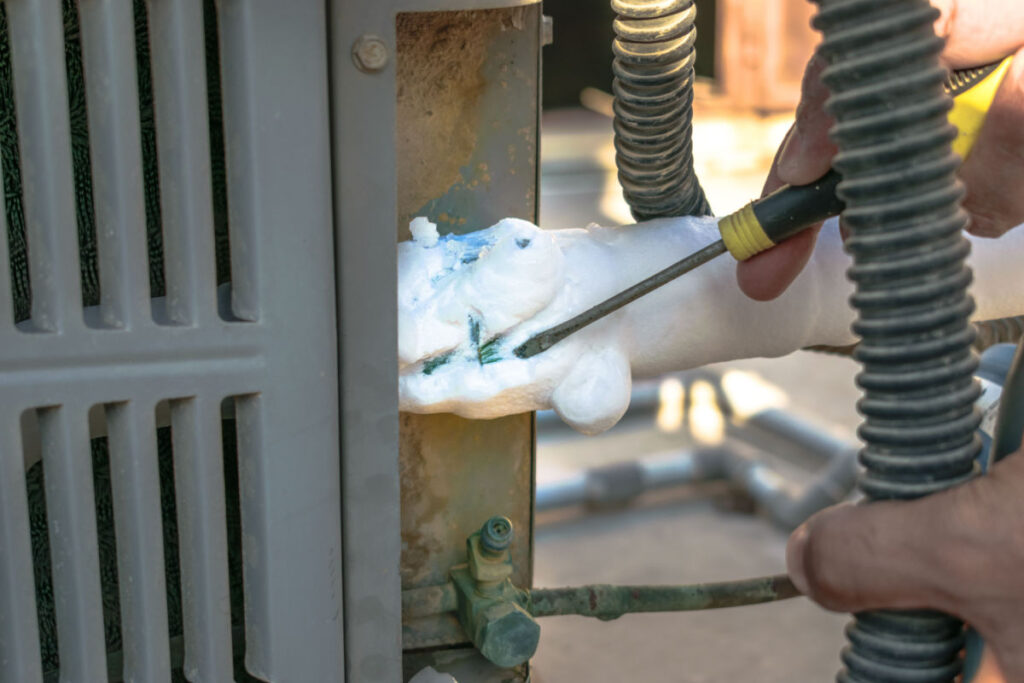
Does your walk-in refrigerator or freezer always seem to be damp? It’s not uncommon for these places to feel a little moist, but your unit may have a coolant leak if you spot suspicious stains or puddles on the floor that don’t come from food products. Just like your HVAC system, walk-in fridges and freezers also use coolant to ensure temperatures stay consistent, but damage to tubing and pipes can cause leakage, damaging the rest of the refrigerator or freezer. Your nose can also lead you to a coolant leak if you smell something sharp, bitter, or “off” (ruling out expired food, of course).
Food Safety Issues
Meat, poultry, eggs, milk-based products, and other perishables must be in a storage space with a consistent temperature that remains in the “safe zone.” If you can’t keep food in cold air, it will quickly breed dangerous bacteria and make people sick. If you’re discovering thawed products that should still be frozen, or are hearing complaints of food poisoning at your establishment, take the situation seriously and have professionals take a look at your walk-in.
Get Some Help!
Have you noticed any of these three tell-tale signs that you need to repair or replace your walk-in fridge or freezer? Instead of trying to juggle it all by yourself, get some help keeping your fridges and freezers functional. Call King Mechanical today and book service! Do you have residential HVAC questions? We can help with that, too! Check out our latest piece on how to decide if you need to repair or replace your air conditioner. Our team will be there as soon as possible to work with you no matter what you need, so don’t hesitate to get in touch. We’ll see you soon!